无衣
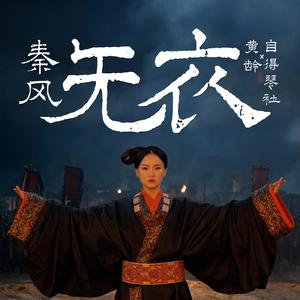
《无衣》出自《诗经·秦风》,歌慷慨、气苍茫,唱同袍之谊与家国之志。自得琴社「琴为何物」收官音乐会《战汉·启元》「问鼎」篇章中,设原创双乐章《无衣》:第一乐章为歌曲,第二乐章为器乐合奏。以《诗经》原辞为根,糅当代人声与琴鼓箫音,由低吟转入雄浑。此次自得琴社与黄龄联袂合作,以鼓乐为骨、人声为魂。黄龄以沉静笃定之姿,将家国诗篇唱出厚重与辽阔。烽烟已远,歌谣未歇。愿千年同袍之声,仍在你我耳畔回响。-Wú Yī (“No Garments”) comes from the “Airs of Qin” in The Book of Songs. Its title, literally “no garments,” evokes the bond of comrades who share even their clothing; the poem itself is a song of fierce valor and boundless spirit, singing of fellowship and devotion to one's homeland.In the “Wèn Dǐng” (“Seeking the Nine Tripods”) chapter of the concluding concert of Zi De Guqin Studio's What Is the Qin? series — Zhan-Han · The Great Confluence (From the Warring States to the Han Dynasty) — we present an original two-movement work, Wú Yī: the first movement is a vocal song; the second, an instrumental ensemble. Rooted in the original verses of The Book of Songs, it weaves contemporary voices with the sounds of qin, drum, and xiao — journeying from a hushed murmur into something vast and resonant.For this recording, Zi De Guqin Studio joins hands with Huang Ling, with percussion as the backbone and voice as the soul. With quiet, unwavering presence, Huang Ling delivers these timeless verses with profound depth and breadth.The fires of war have long since faded. The song endures. May the voice of comradeship from a thousand years ago still echo in your ears.
